Glory! When Heaven Comes Close
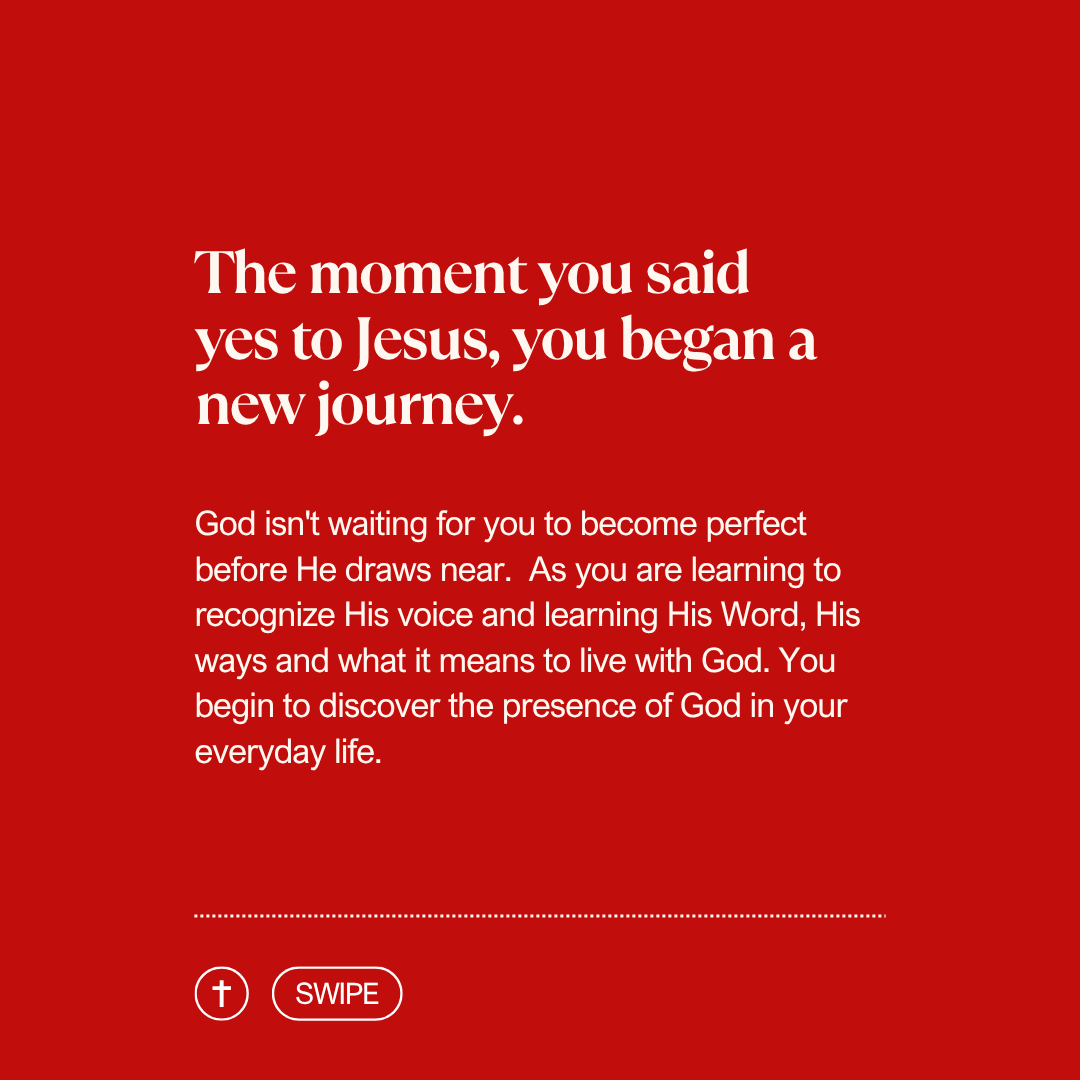
There are some moments you never forget. A song suddenly reaches somewhere deep inside you. A Scripture you've read dozens of times suddenly comes alive. You are praying, and for a moment, everything around you becomes quiet. You begin to praise and worship God by singing a song and the environment in the room seems to change and appear to become brighter. You cannot necessarily explain what happened, but you know something was different. Was that God's presence? Was that His glory? And if you are new to following Jesus, how do you learn to recognize it?

ENCOUNTERING THE GLORY OF GOD
The word Glory can sound familiar to people who have spent years in church, yet its meaning is far richer than we sometimes realize. God's glory is not simply a spectacular moment, an emotional experience, or something reserved for people who have been walking with God for decades. Scripture presents God's glory as a revelation of who He is, the weight of His greatness, and the reality of His presence among His people. And the beautiful truth for every believer is that you can spend your entire life discovering more of Him.
One of the most important New Testament words for glory is Doxa (δόξα).
Doxa speaks of glory, honor, praise, splendor, majesty, and the greatness that belongs to God. It points our attention beyond what God does to who God is. His glory is not dependent upon whether our circumstances are good or whether we happen to feel spiritually strong. God is glorious because of His very nature.
John 1:14 gives us a wonderful picture when it says, “We beheld his glory.” The Gospel writer was speaking about Jesus Christ. God's glory was not presented as a distant theological concept. In Jesus, people could see the character of God revealed. They could hear Him, walk with Him, encounter His compassion, witness His power, and discover His truth.
This changes the way we think about seeking God's glory. We are not simply looking for something spectacular to happen. We are learning to behold God Himself. As we discover His character, our hearts are invited into worship, trust, surrender, faith, and obedience. The more clearly we see Him, the more clearly we begin to understand where He belongs in our lives.
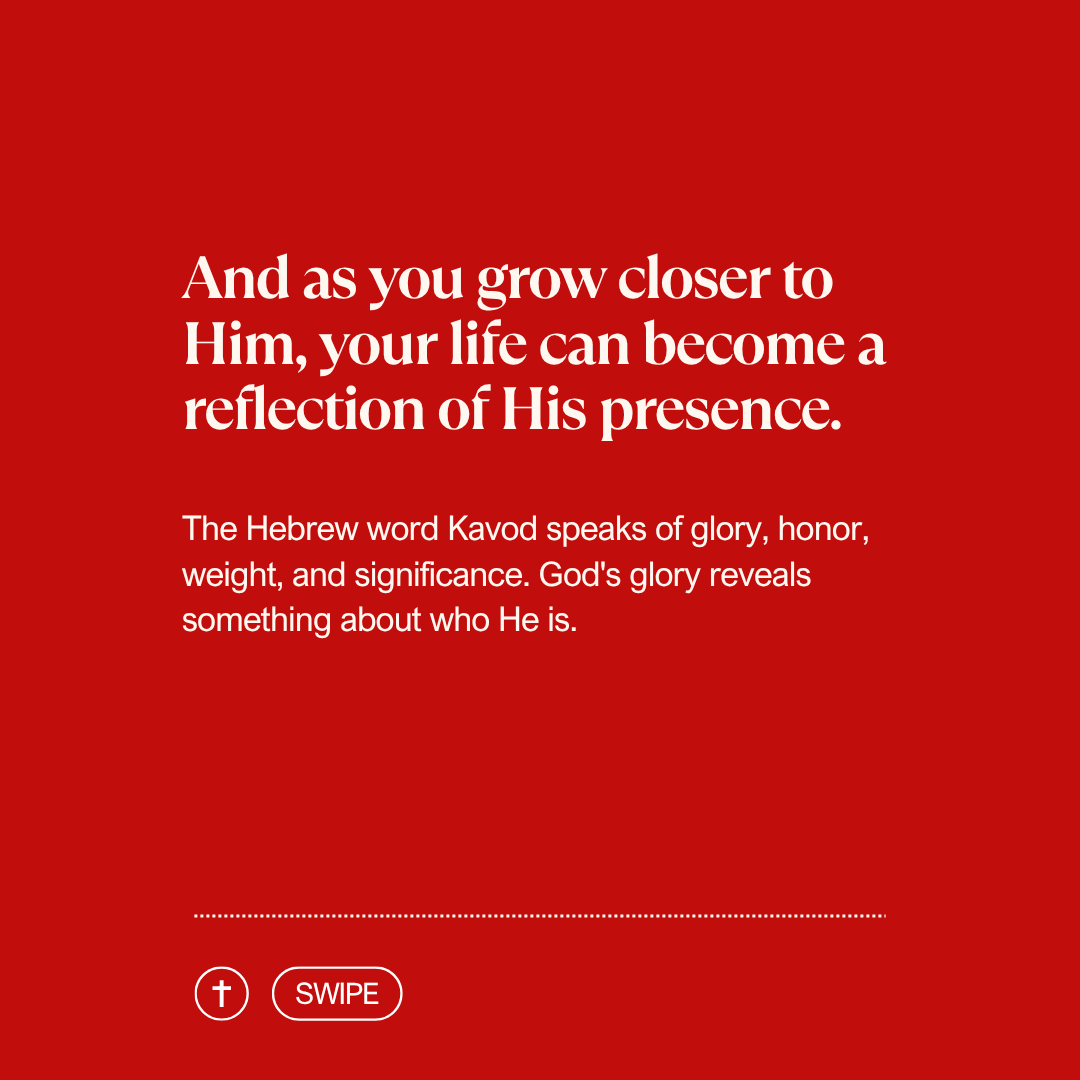
Then we encounter another beautiful biblical word, Kavod (כָּבוֹד).
Kavod is a Hebrew word commonly translated as “glory,” and it carries the idea of weight, honor, importance, greatness and significance. The imagery of weight gives us something powerful to consider. What has weight gets our attention. What carries significance influences us. What we consider most important begins to shape our decisions.
Kavod helps us understand that God is not supposed to be merely another voice competing for our attention. His Word carries weight. His character carries weight. His promises carry weight. His authority carries weight.
Think about how many voices speak into our lives every day. Our circumstances speak. Fear speaks. Social media speaks. Other people's opinions speak. Our past experiences speak. Sometimes even our own thoughts become incredibly loud. Yet learning to recognize God's glory means learning to give His truth greater weight than the voices that contradict Him.
This does not mean ignoring reality or pretending that difficult circumstances do not exist. It means allowing God to have the final word about who He is, who we are, and what He has promised. Kavod reminds us that God deserves significance in our lives that nothing else can occupy.
Then there is Shekinah, a term used in Jewish theology to describe the dwelling or manifest presence of God. The word itself does not appear in the Hebrew Bible, but it comes from the Hebrew concept of God dwelling among His people. Exodus 25:8 captures the heart of this idea when God says, “Let them make me a sanctuary; that I may dwell among them.”
Think about that for a moment. The God of heaven desired to dwell among His people. Throughout the Old Testament, God's presence was associated with the tabernacle and later the temple. His glory was manifested among Israel, communicating that He was not distant from His people. He was present among them. Then the New Testament reveals something extraordinary. John 1:14 says, “The Word was made flesh, and dwelt among us.” Jesus came near. God revealed Himself through Christ in an intensely personal way. The One whose glory had been revealed among His people came to dwell among them.


A Personal Way
And then the story becomes even more personal for believers. The New Testament describes believers as temples of the Holy Spirit. God's dwelling presence is no longer understood merely in terms of a physical building. Through Christ and the Holy Spirit, God comes near to His people in a profoundly personal way. This means God's presence is not limited to a church building, and it is not limited to Sunday morning. It is not limited to a worship service where the music is powerful and the atmosphere feels overwhelming. God's presence is not limited to an emotional experience either. There may be moments when you feel God's presence deeply. You may cry during worship. You may experience extraordinary peace while praying. A Scripture may suddenly touch your heart in a way you cannot explain. Those moments can be meaningful and precious, but they are not the only evidence that God is near.
There will also be quiet days. There will be prayers when you do not feel anything. There will be moments when you open your Bible and struggle to understand what you are reading. There will be seasons when you wonder where God is. Those moments do not mean God has disappeared. Faith teaches us to trust God's Word even when our emotions are quiet. His presence is bigger than a feeling, and His faithfulness is not measured by the intensity of our emotions on any particular day. Sometimes faith looks like praising God when the room feels full of His presence, and sometimes faith looks like quietly saying, “Lord, I still trust You,” when you cannot feel anything at all.
God and You
You do not have to compare your spiritual journey to someone else's. You do not need to have someone else's testimony, knowledge, vocabulary, or experiences. You do not have to understand everything before you begin seeking God. You can start with a simple prayer, “God, I want to know You.” “Jesus, teach me Your ways.” “Holy Spirit, help me understand Your Word.” “Lord, show me who You are.” There is something beautiful about a heart that genuinely wants to know God. You may not know all the right words yet, but God sees the sincerity of a heart that is reaching toward Him.
Seeking His glory is ultimately about seeking Him. It is about becoming increasingly aware of His greatness, allowing His truth to carry weight in our lives, and recognizing that He desires to dwell with His people. Doxa invites us to see the wonder of who God is. Kavod invites us to recognize the weight of who God is. Shekinah points us toward the welcome of God's presence among His people. Together, these ideas give us a breathtaking picture of the glory of God. His greatness can be revealed. His significance can transform our perspective. His presence can become deeply personal.

Know the God who reveals Himself
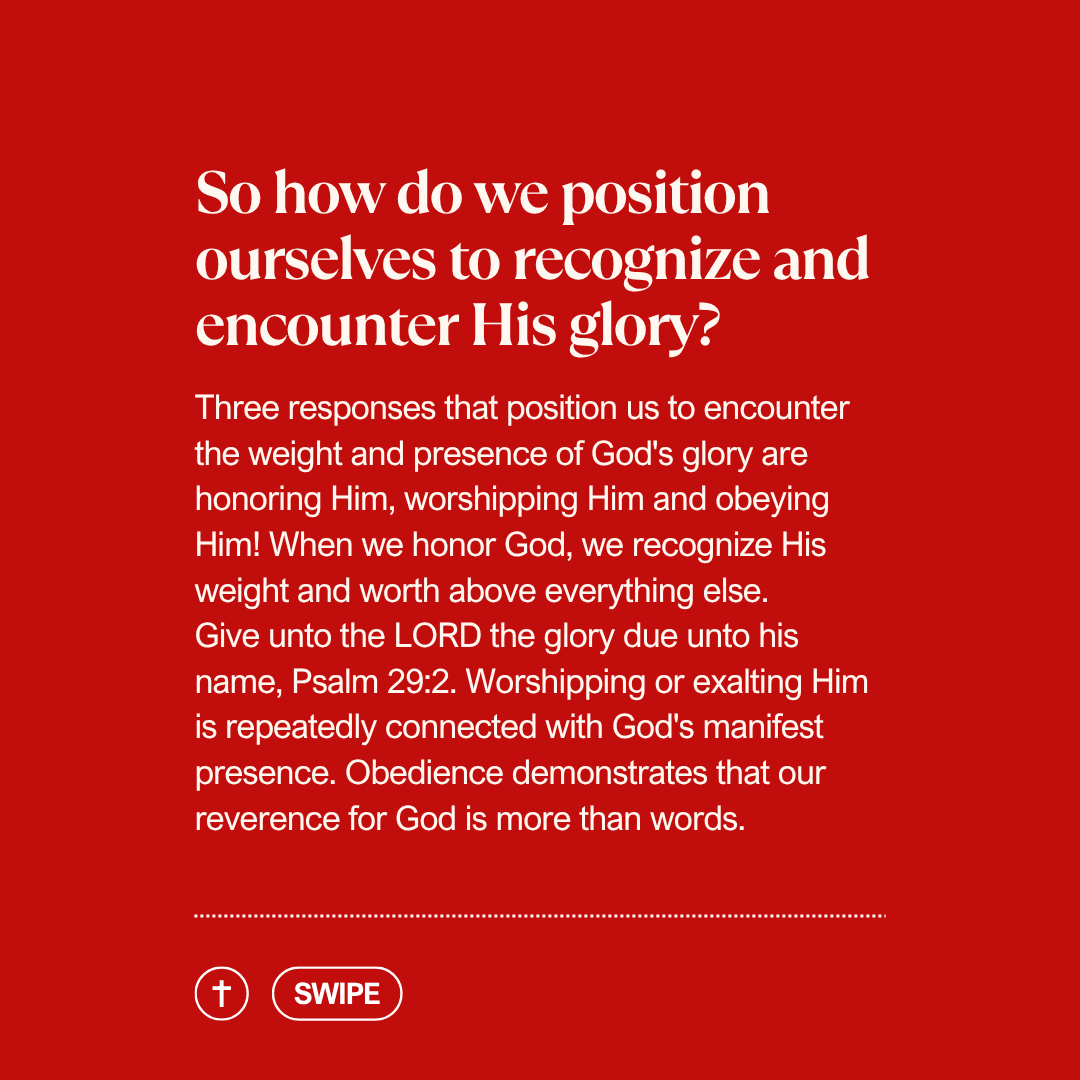
You do not have to chase an experience. Chase Him in prayer, fasting, worship, solitude and mediatation. You do not have to manufacture His presence. Seek Him while He may be found. You do not have to become perfect before approaching Him. Come to him as you are and I promise you will not remain the same. Open His Word by reading the Bible or listening to a sermon. Faith comes by hearing and hearing the Word of God. Talk to Him about all of your hearts desires and from your heart. Feel the liberty to worship Him and ask questions. Learn, grow, listen, trust and keep seeking. There may be days when your faith feels strong and days when you feel like you are simply taking one small step, but every step toward God matters.
Because the glory of God is not merely something to study. It is an invitation to know the God who reveals Himself, carries incomparable weight, and desires to dwell with His people. You are not at the end of the story. You are at the beginning of discovering just how glorious He is. There is more to see. There is more to know. There is more to discover. There is more of God. know the God who reveals Himself