Confession & Connection
If God is already faithful and just to forgive us and purify us what are we still protecting by staying silent about sin. To deny our sin is not self confidence it is self deception and it fractures our relationship with truth. When we refuse to acknowledge our need we silence the living Word that was sent to heal us. First John chapter one opens the door to authentic faith by grounding belief in a real embodied Savior not a distant idea. John invites readers into a lived encounter with Jesus the eternal Word who stepped into time and touched human brokenness. 1 John 1, confronts hidden darkness while extending deep assurance. It clarifies that fellowship with God is not built on denial but on truth. Light is revealed not to expose for punishment but to cleanse for communion. From the very first lines John sets the tone for a faith that is honest relational and alive.
Confession, Purification and Forgiveness Flows
Before platforms before playlists before personal brands and digital identities there was the eternal Word living in perfect fellowship with the Father. John opens his letter in 1 John, by pulling us back to that holy origin because everything about confession purification and forgiveness flows from who God is and how He chose to come close. Christianity does not begin with rules it begins with revelation. God did not shout from a distance He stepped into skin. In the beginning was the Word and the Word was God and the Word was with God. He let Himself be heard seen examined and touched. This is the heartbeat of First John and it is the reason confession matters so deeply in every generation especially ours.
The letter of First John was written by the apostle John the same disciple who leaned on Jesus at the Last Supper who stood at the cross and who later wrote the Gospel of John. By the time he wrote this letter John was older seasoned and deeply pastoral. He was writing to a community of believers who were facing confusion compromise and counterfeit spirituality. False teachers were claiming enlightenment without obedience spirituality without repentance and intimacy with God without accountability to truth. John writes not to shame but to shepherd. His aim is clarity confidence and communion. He wants believers to know what real fellowship with God looks like and how to walk in it without pretending.
John begins by anchoring faith in reality not abstraction. He emphasizes that Jesus is not an idea or a myth but the Word of Life who appeared in history. Eternal life stepped into time. Light walked into darkness. This matters because confession is not about groveling before an angry deity. Confession is a response to a God who came close enough to bleed. When God reveals Himself like this honesty becomes the only reasonable posture.
John then delivers a simple but piercing message God is light and in Him there is no darkness at all. This is not poetic fluff. It is a theological truth with practical weight. Light exposes reveals and heals. Darkness hides distorts and isolates. To walk with God means to live openly before Him. Confession is how light keeps flowing. Without confession we retreat into shadow. We may still use spiritual language but we stop experiencing spiritual life.
A Doorway into Cleansing
For the current generation authenticity is currency. Nobody wants fake faith or polished perfection. Yet there is a tension. Many crave vulnerability but fear accountability. We want to be seen but not corrected. John lovingly dismantles that contradiction. He says if we claim fellowship with God but walk in darkness we lie. Not stumble. Not struggle. Walk. This is about direction not perfection. Confession is what keeps our direction aligned with the light when we do stumble.
Confession is not announcing failure to the world. It is agreeing with God about what He already sees. The word confess literally means to say the same thing. When we confess sin we are not informing God we are aligning with truth. This is why John says if we claim to be without sin we deceive ourselves. Notice he does not say we deceive God. Self deception is the real danger. Unconfessed sin numbs discernment dulls joy and fractures intimacy.
Many today carry quiet shame. They are not rebelling loudly but they are hiding silently. Scrolling numbs conviction. Humor masks pain. Achievement distracts from emptiness. John speaks directly to this inner conflict. He assures us that confession is not a trap door into rejection but a doorway into cleansing. God is faithful and just to forgive and to purify. Faithful means He does not change. Just means forgiveness was paid for not waved away. The cross makes confession safe.
Purification is more than pardon. Forgiveness removes guilt purification removes residue. Sin leaves marks on thinking desires and habits. Confession invites God to cleanse not only the record but the roots. This is deeply relevant now because many wrestle with cycles. Same struggle different week. Same prayer different night. John offers hope. The blood of Jesus purifies us from all sin. Not some. Not manageable. All. This includes patterns shame based identities and internal accusations.
Spiritual Formation
Walking in the light also restores community. John says when we walk in the light we have fellowship with one another. Isolation is one of the enemy’s favorite tactics. It whispers you are the only one. Confession breaks that lie. When sin is dragged into the light it loses power. Healing often accelerates in safe community where truth and grace coexist. This does not mean oversharing with unsafe people. It means refusing to live a double life.
For a generation navigating anxiety burnout and performance pressure confession is a gift. It interrupts the exhausting need to curate an image. It says I do not have to be flawless to be loved. I can be honest and still belong. God already knows and still invites. This is why John says he writes so that joy may be complete. Unconfessed sin leaks joy. Confession restores it.
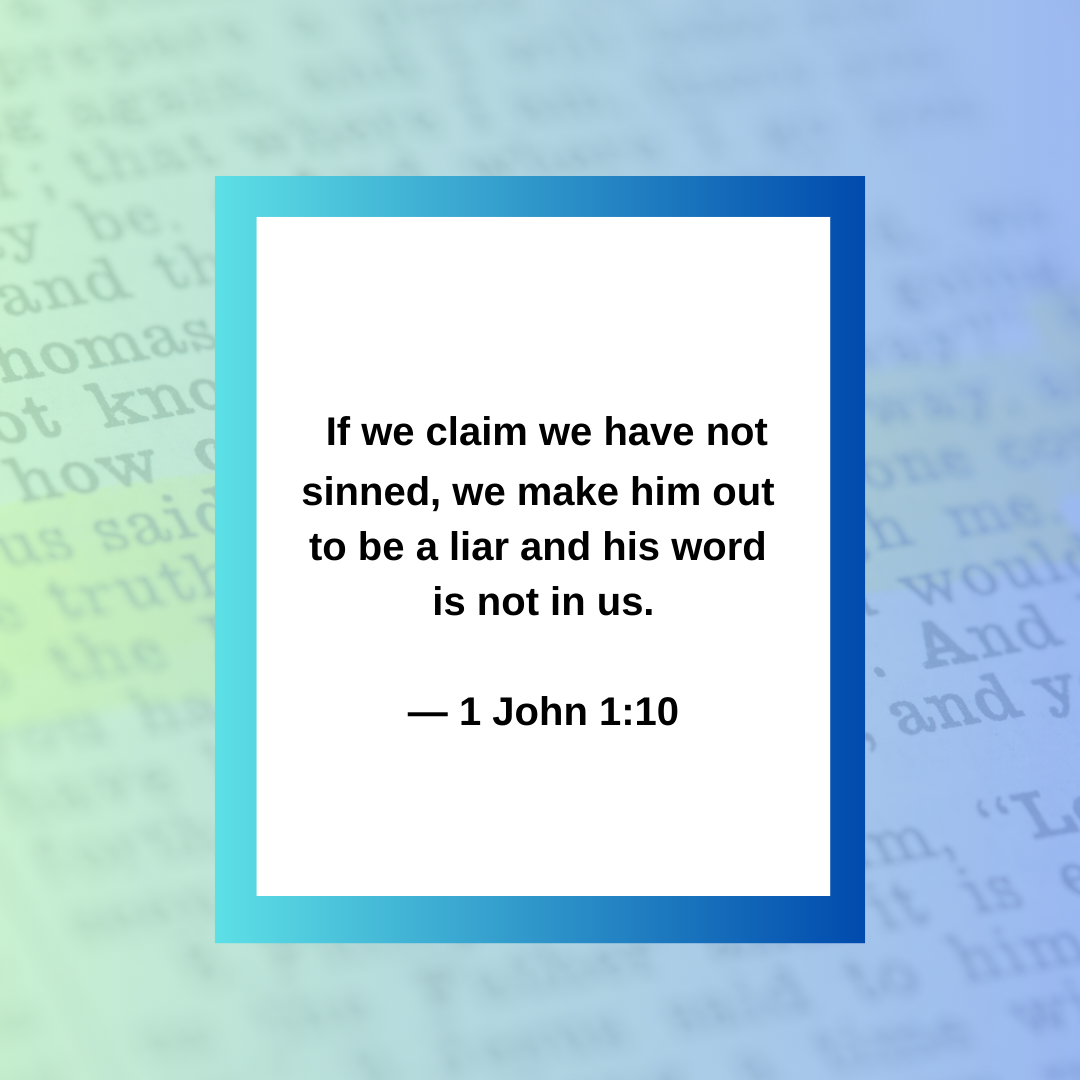
There is also a warning woven gently through the passage. If we claim we have not sinned we make God a liar. That is strong language because denial always distorts God’s character. It suggests we do not need a Savior. It empties the cross of meaning. Confession keeps us dependent and gratitude keeps us grounded. The healthiest believers are not those who think they sin less but those who repent quicker.
Confession is not meant to be dramatic or rare. It is meant to be regular relational and real. Like clearing debris from a path so light can keep guiding steps. It is not a crisis response but a lifestyle rhythm. When practiced this way it produces humility sensitivity and freedom.
Jesus did not come to expose us and abandon us. He came to expose us and heal us. The Word became flesh so that truth could touch wounds. John saw it firsthand. He watched light win without crushing. He writes so that we would not settle for surface spirituality. He invites us into honest fellowship with a holy and loving God.
If you are carrying hidden guilt hear this. Confession is not weakness it is wisdom. It is not spiritual failure it is spiritual formation. God is not waiting to condemn you. He is waiting to cleanse you. Light is not your enemy. It is your home.
Walking in the light does not mean you never fall. It means you never hide. And when you step into that light again and again you will find what John promised. Forgiveness that is sure purification that is deep and joy that is finally whole.